The 2026 ZAODX Early Cancer Screening Conference, themed "With AI's Foresight, Screening Shields All Lives," was held in Hefei, China, from May 16 to 17, 2026. The conference brought together leading clinical experts, researchers, industry representatives, investors, and public health stakeholders to exchange perspectives on technological innovation, clinical translation, industry applications, and public health services in early cancer screening.
The conference highlighted recent advances and practical experience in the field of early screening, including artificial intelligence (AI), multi-omics, methylation detection, liquid biopsy, clinical screening pathways, primary care implementation, and diversified payment models. It also emphasized the shared goal of translating early screening technologies from research settings into broader, standardized, and accessible public health applications.
Organizers and Supporting Institutions
The conference was organized by the Shanghai Jiao Tong University Hefei Innovation Technology Research Institute for Early Cancer Screening, the Zhong Nanshan Medical Foundation of Guangdong Province, and Anhui Zhong'an Chuanggu Science and Technology Park Co., Ltd., and was hosted by ZAODX. Co-organizers included Cancer Screening and Prevention, Marshall Laboratory of Biomedical Engineering, Western Digital Intelligence Research Institute, Shenzhen Unclear Biotechnology Small Molecule Technology Transformation Institute (in preparation), and Blue Rainbow. The conference was supported by the Artificial Intelligence and Early Screening, Diagnosis, and Treatment Special Fund of the Zhong Nanshan Medical Foundation of Guangdong Province.
Covering the full innovation chain, including technology research and development, clinical validation, cancer-specific screening applications, industry applications, and public health services, the conference aimed to establish a professional platform for exchange within the early screening community and to support the continued development of intelligent, standardized, and accessible early cancer screening systems.
.jpg)
Opening Ceremony and the Hefei Initiative
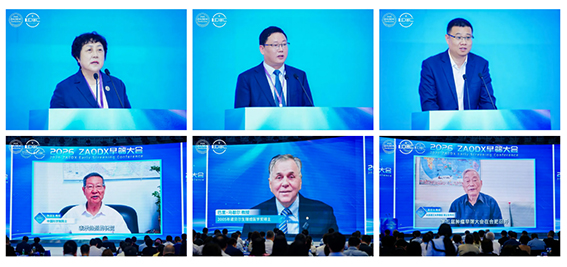
At the opening ceremony, the strategic importance of early screening, early diagnosis, and early treatment in cancer prevention and control was discussed. Speakers emphasized the need to strengthen the translation of emerging technologies, expand prevention and screening networks, and promote cross-sector collaboration in support of the Healthy China initiative.
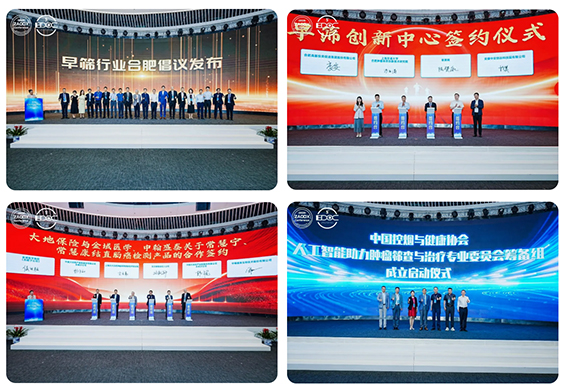
During the ceremony, government officials, academicians, and industry leaders jointly inaugurated the 2026 ZAODX Early Cancer Screening Conference. The Hefei Initiative for Early Cancer Screening was also released, calling for the standardization, normalization, and broader accessibility of the early screening industry. The initiative reflected a shared commitment to advancing early screening through technological innovation, clinical application, industry collaboration, and public health engagement.
Several strategic collaborations were also announced, covering the construction of early detection innovation platforms, cooperation on colorectal cancer screening products, and the establishment of a preparatory committee for an AI-assisted tumor screening and treatment professional committee under the Chinese Association of Tobacco Control and Health.
Main Forum
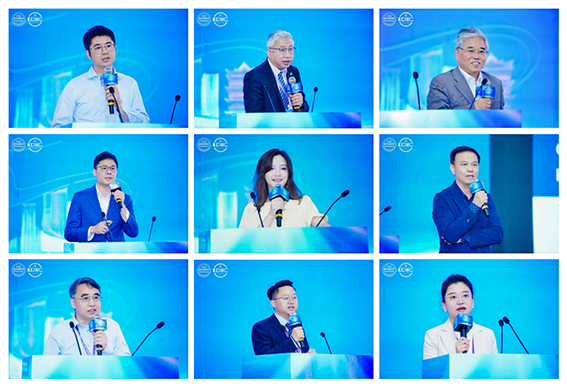
The main forum featured keynote speeches and invited presentations from experts and industry leaders. Topics included Hefei's life and health industry policies, public health management of Helicobacter pylori, opportunities and challenges in early cancer screening, multi-cancer screening pathways for Asian populations, AI-enabled post-screening health management, intelligent molecular diagnostics for early pancreatic cancer, and green approaches to cancer prevention and treatment.
The discussions provided perspectives spanning policy, technology, clinical practice, and industrial development, underscoring the importance of coordinated efforts among government, industry, academia, research, healthcare, and investment sectors in advancing early cancer screening.
Thematic Forums on AI, Clinical Translation, and Implementation
In addition to the main forum, the conference hosted multiple thematic sub-forums addressing key topics in early detection, including technological innovation, clinical translation, primary care prevention and control, and reimbursement mechanisms.
On the afternoon of May 16, three concurrent AI-focused forums centered on lung cancer screening, gastrointestinal cancer screening, and multi-cancer screening. These sessions explored how AI can be integrated with multi-omics, methylation-based testing, endoscopic diagnosis, cohort construction, and risk stratification to improve screening accuracy and scalability.
The AI and Gastrointestinal Cancer Screening Forum presented advances in AI-assisted upper gastrointestinal cancer screening and diagnosis, chemical conversion-free methylation detection, evaluation of screening effectiveness, colorectal cancer early detection, identification of high-risk gastric cancer populations, and early diagnosis and treatment strategies for digestive tract malignancies.
On May 17, several forums shifted focus toward implementation and ecosystem development. Topics included emerging concepts and technologies in early screening, ethnomedicine and AI-assisted pre-disease management, standardized cancer prevention checkups and early screening clinics, strengthening primary care capacity for cancer prevention, diversified reimbursement systems, clinical research translation, and intelligent omics-based diagnostics.
Cancer Screening and Prevention at the Conference
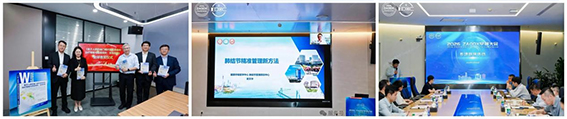
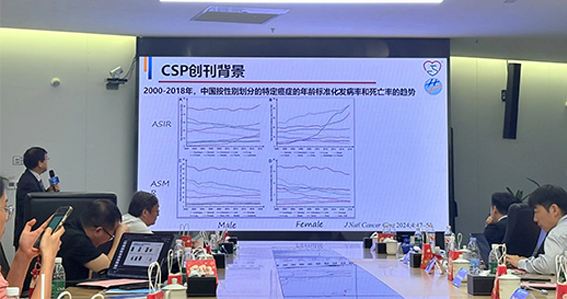
Cancer Screening and Prevention participated in the conference as part of the academic exchange platform for cancer screening and prevention. During the thematic forum on May 17, a presentation entitled "Cancer Screening and Prevention: An Academic Platform for Sharing Research Achievements in Early Cancer Screening" introduced the journal's scope and its role in disseminating research on cancer epidemiology, early detection, prevention, biomarkers, precision screening, and related technologies.
From Conference Exchange to a Broader Early Screening Ecosystem
Across the conference, parallel sessions and related activities extended discussions from academic exchange toward practical implementation. The Marshall Laboratory and Hefei Early Cancer Screening Institute Closed-Door Symposium and the World H. pylori Day themed event addressed H. pylori prevention and gastric cancer screening. The standardized precision management training meeting for pulmonary nodules emphasized multidisciplinary diagnosis and treatment systems. The early screening innovation project roadshow provided a platform for connecting technology start-ups with investors.
From a single conference to an emerging early screening ecosystem, the 2026 ZAODX Early Cancer Screening Conference demonstrated how technological breakthroughs, clinical translation, industry collaboration, and payment innovation can jointly advance cancer prevention and control. As early screening technologies continue to move from laboratories to clinical and primary care settings, early detection, early diagnosis, and early intervention are becoming an increasingly important line of defense in public health.